Photography

Photos I
kept.

Two Gold Keys and three Honorable Mentions, cultural field notes from Chinatown, and a tighter edit organized around place, structure, and light.

What I notice

Lines, light, and small changes.

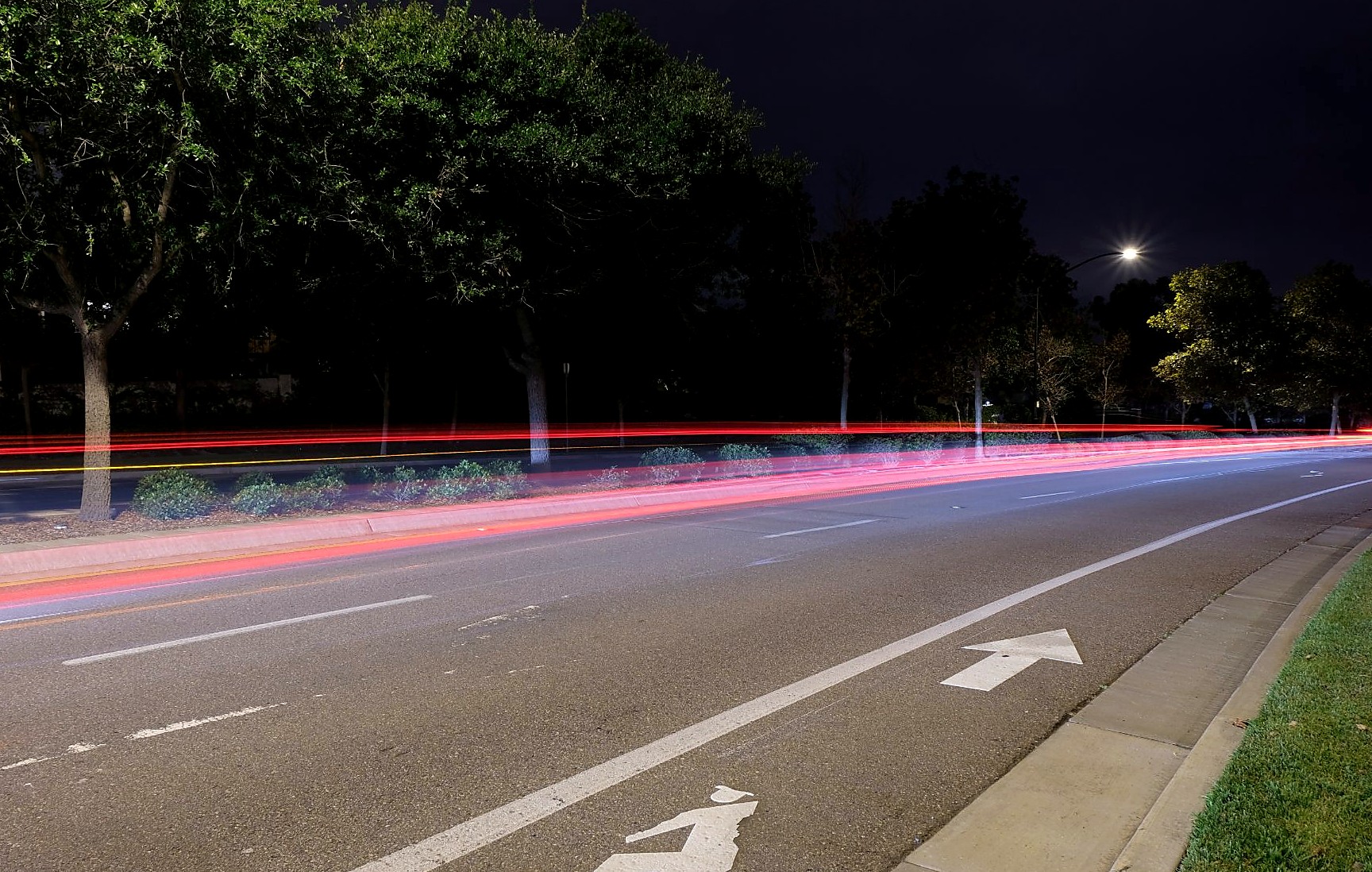
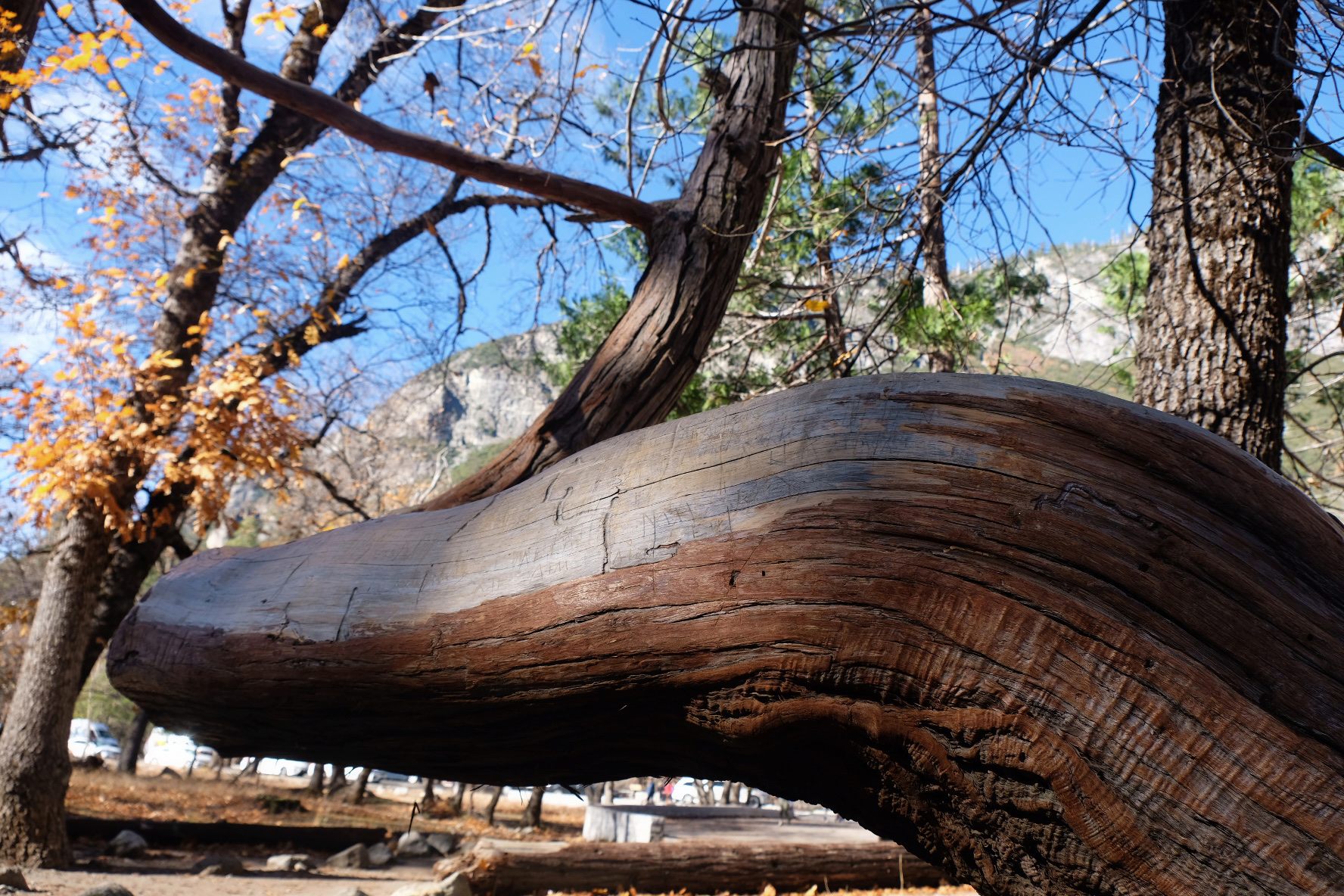
I tend to like photos where something ordinary shifts a little: a road becomes a light trail, or a tree turns into texture and lines.

How I shoot

Wait longer than feels natural.

Long exposure taught me to wait. Sometimes the better frame appears after the first obvious shot is already gone.

What awards mean

A reason to keep editing.

Scholastic recognition matters to me, but I also care about which images I still want to keep weeks later.

Chinatown Cultural Exploration · 2026

A camera can also be a way of listening.

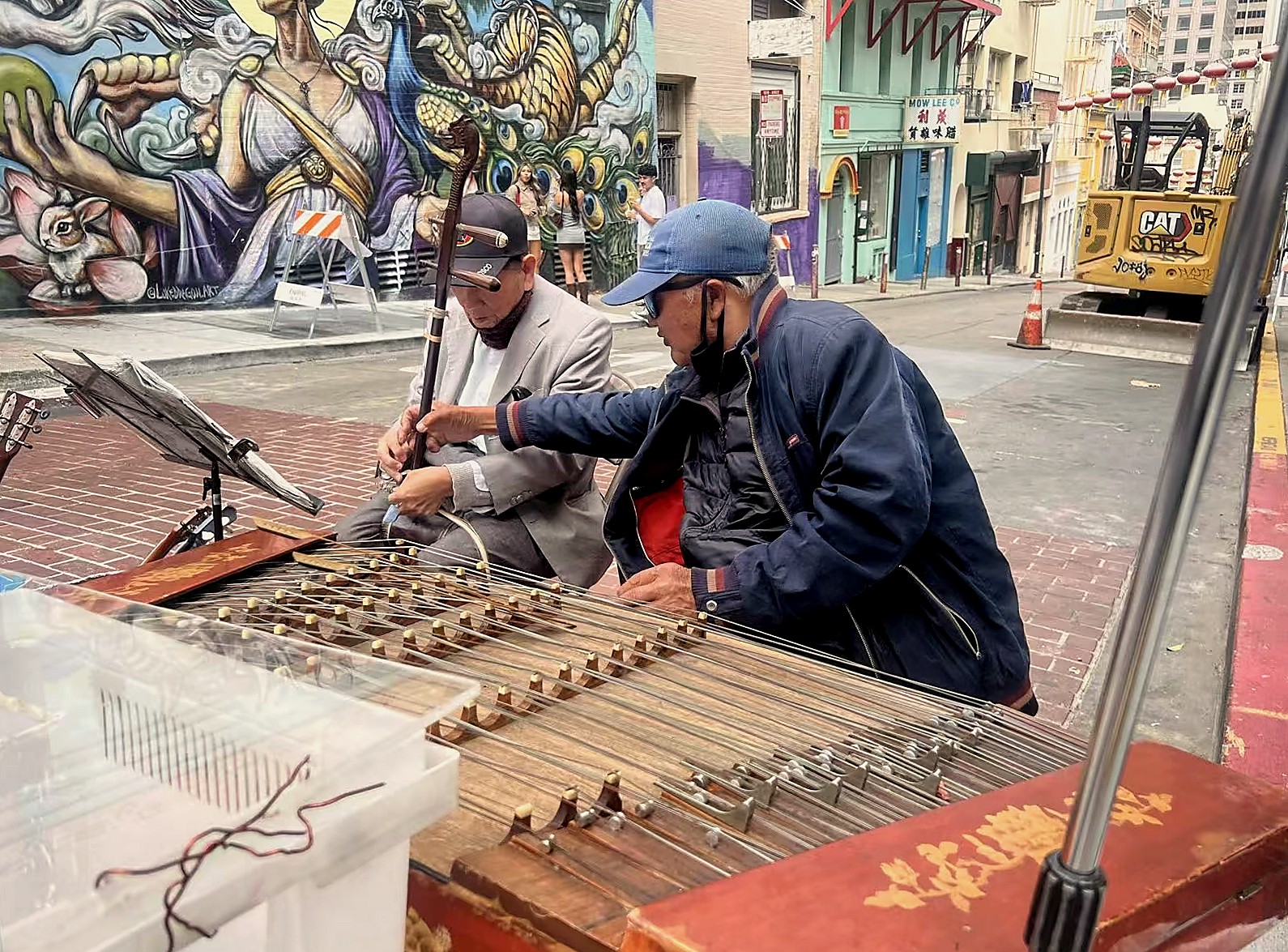
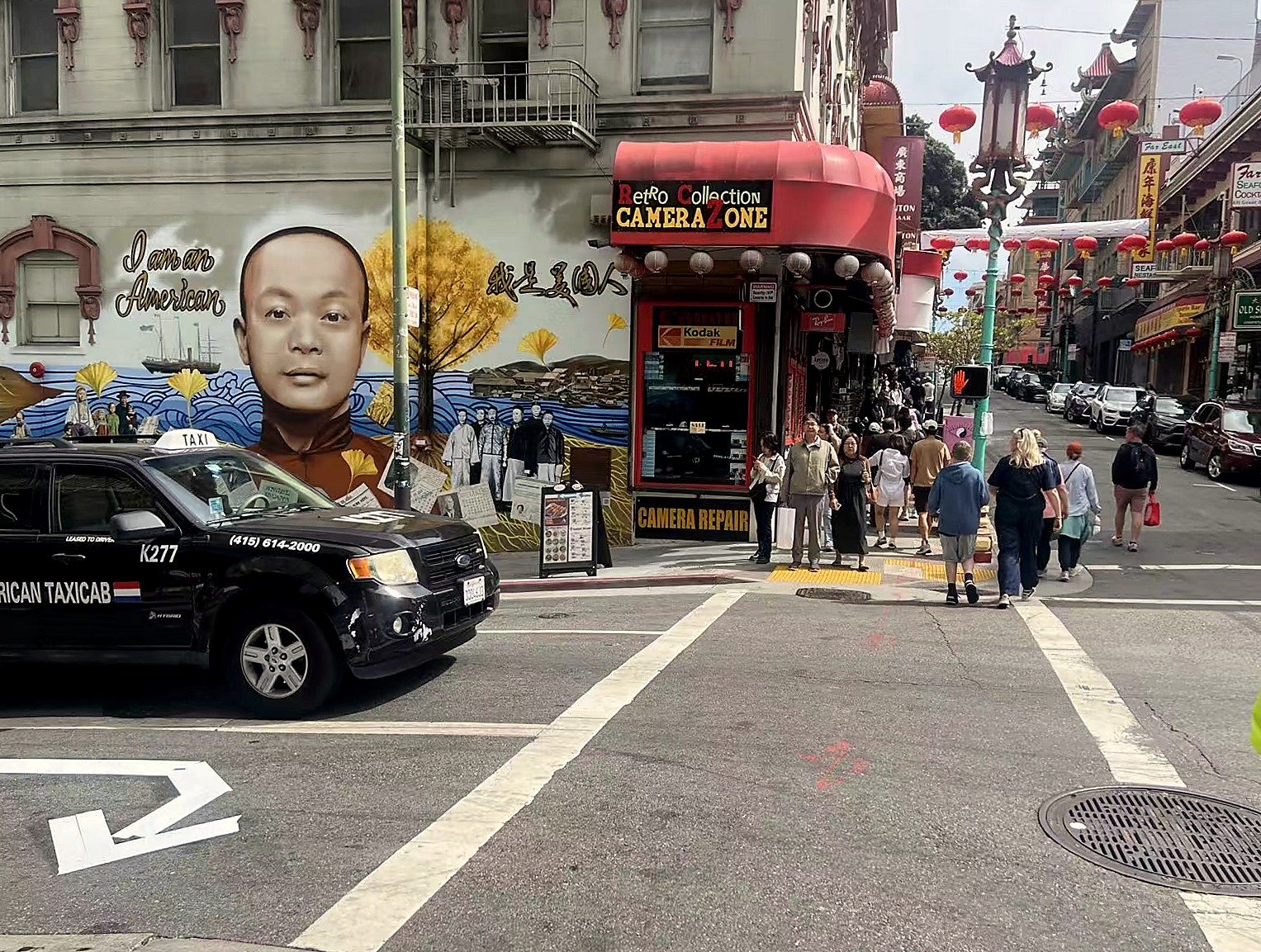
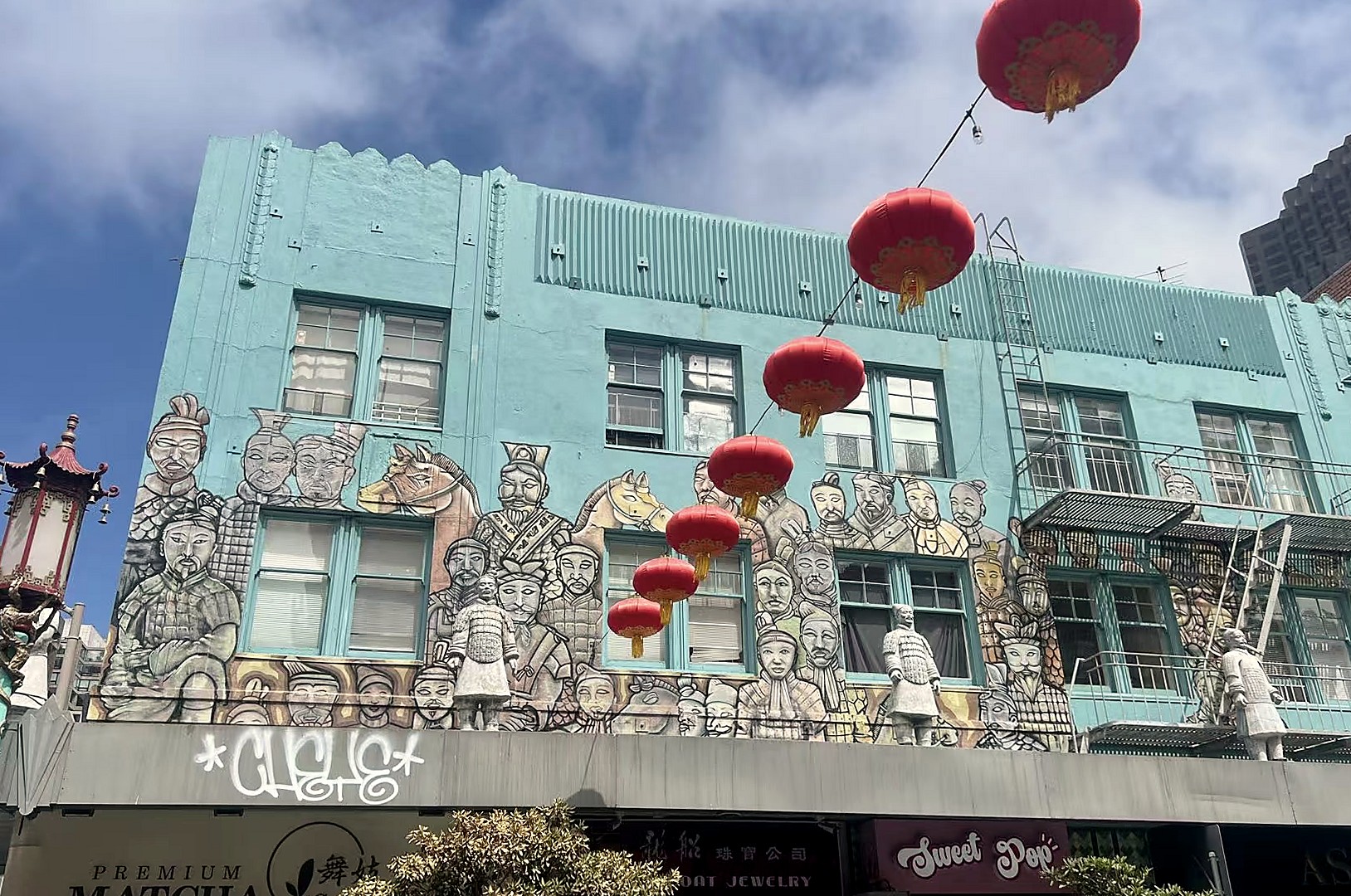
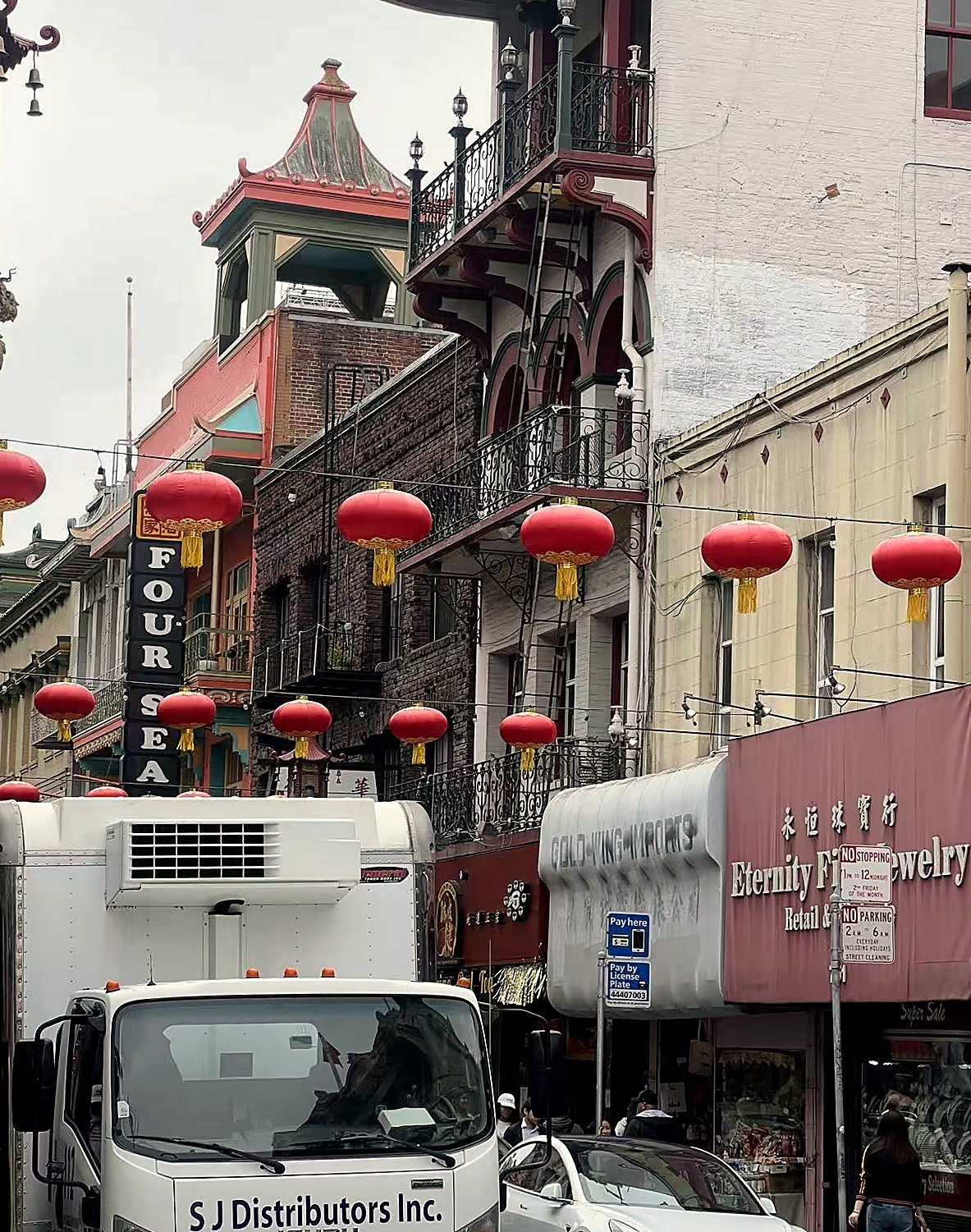
After five seminars on Chinese American history, immigration, identity, and Chinatown communities, I spent two days in San Francisco Chinatown documenting storefronts, workers, cultural spaces, and everyday community life through photography and field notes.

Permission first I spoke with people and asked before photographing them.
Final study Selected images and notes on immigrant identity and labor.
Field edit · San Francisco, 2026

Four frames from the visit.

Chosen from the larger set because each frame shows a different part of the neighborhood: music, street life, visual identity, and daily work.

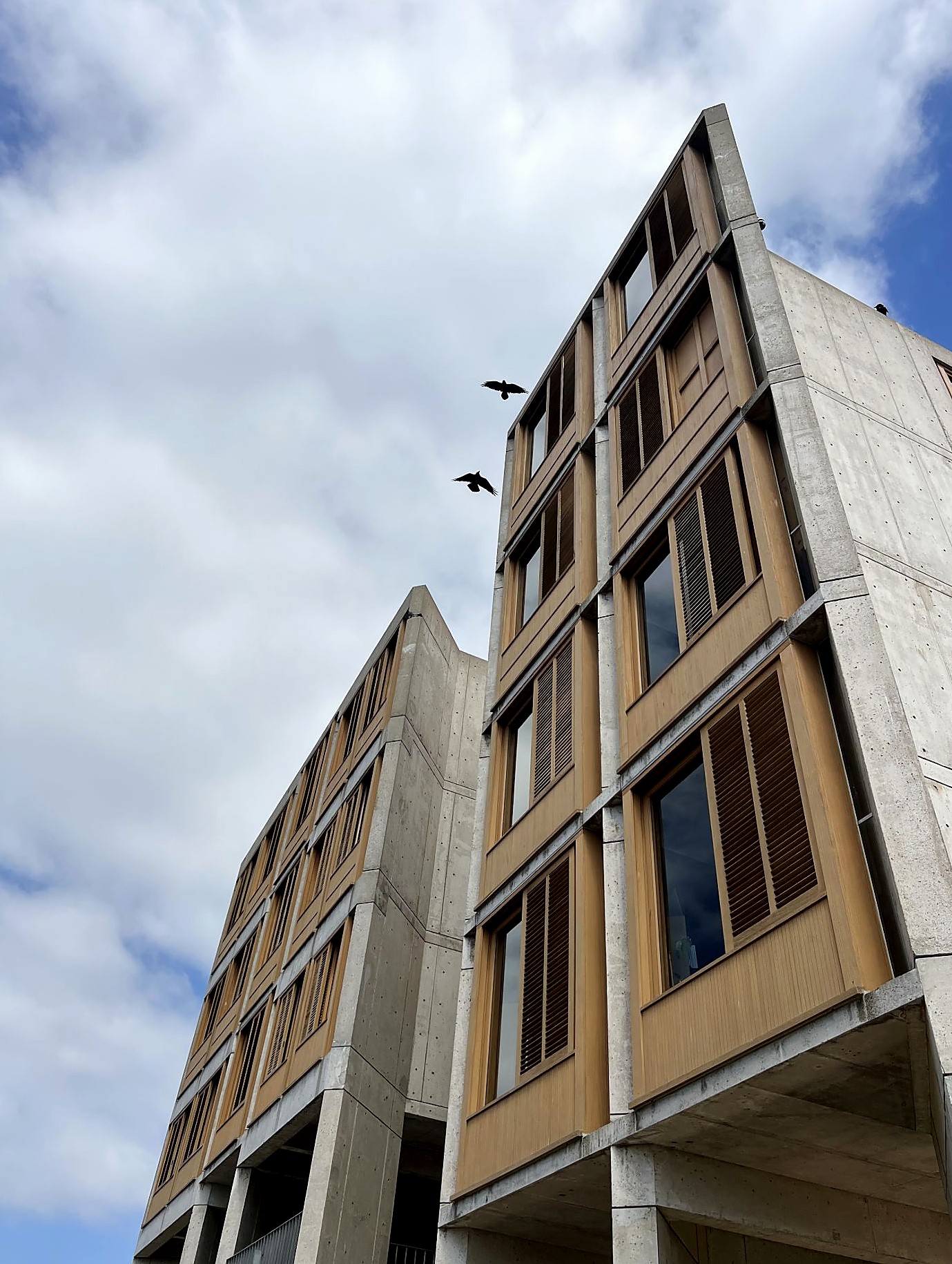
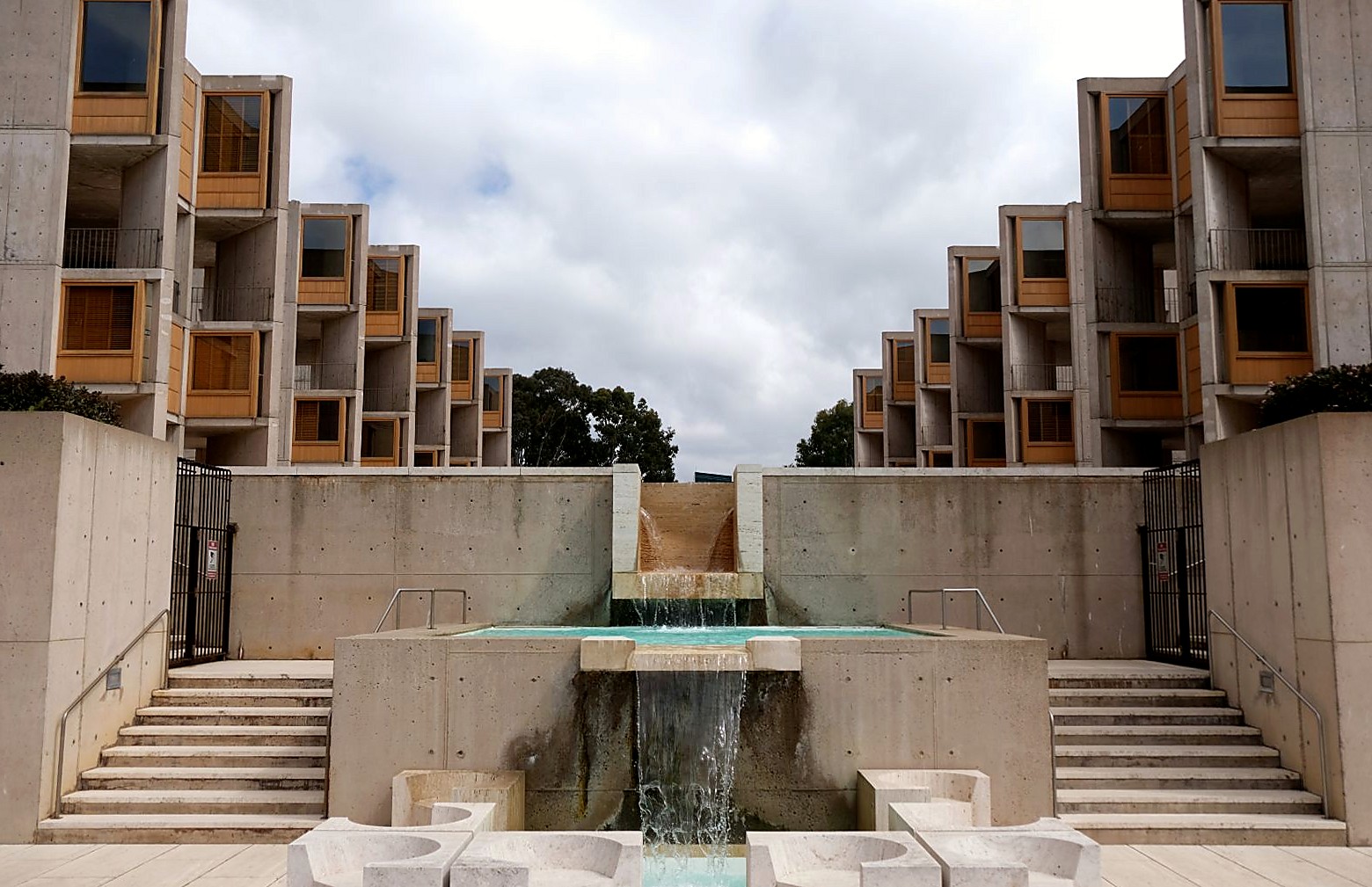
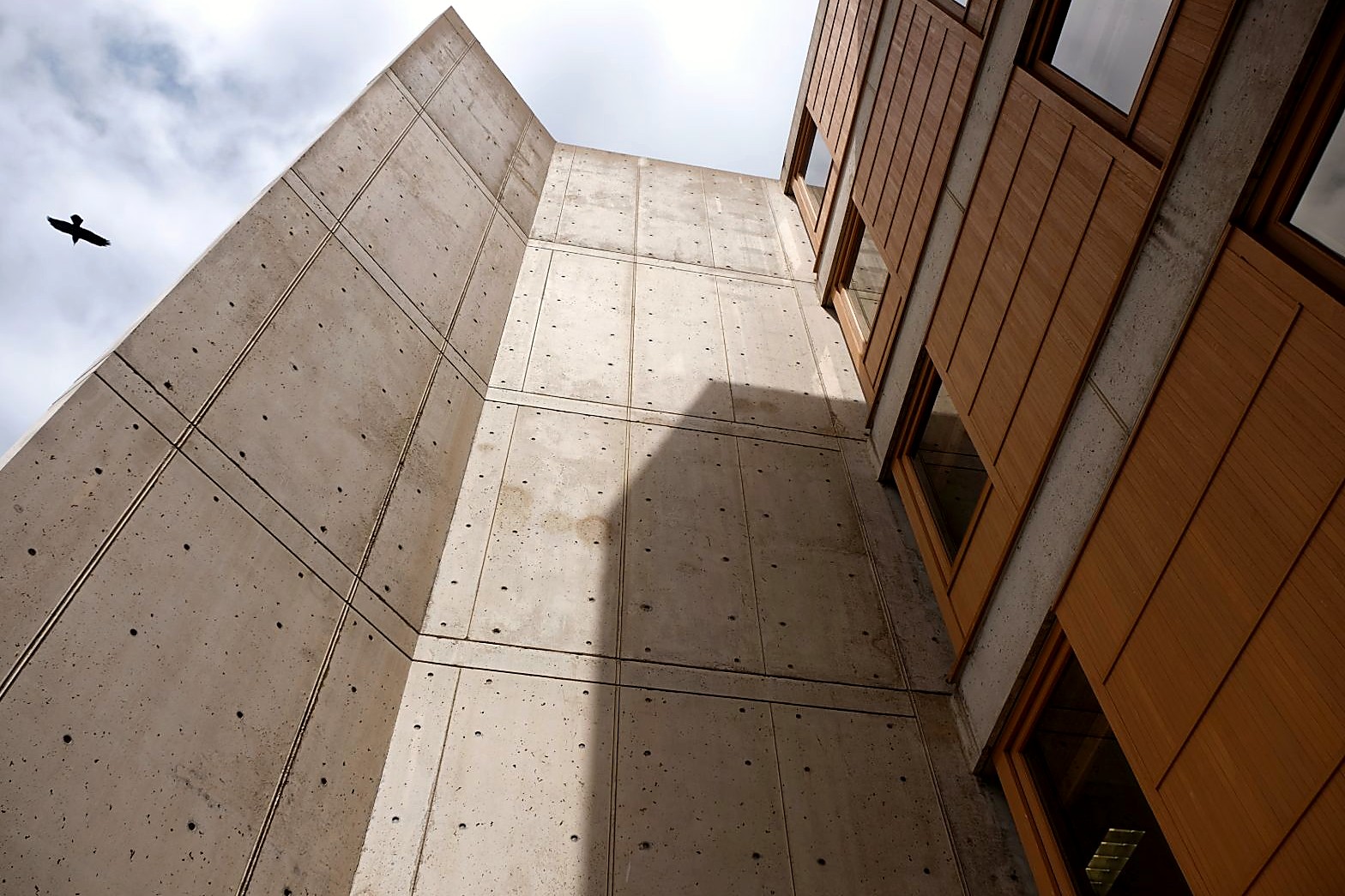
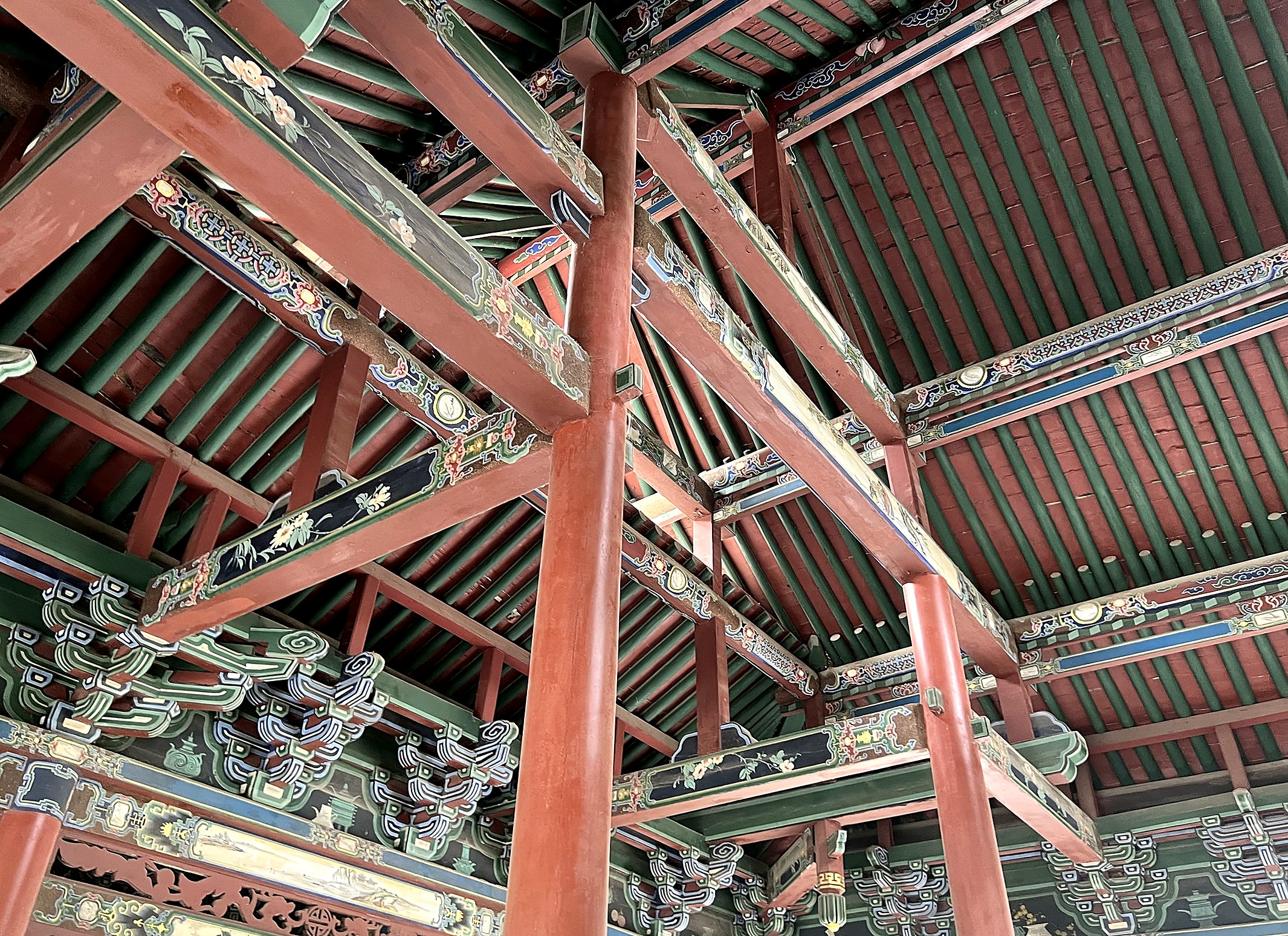
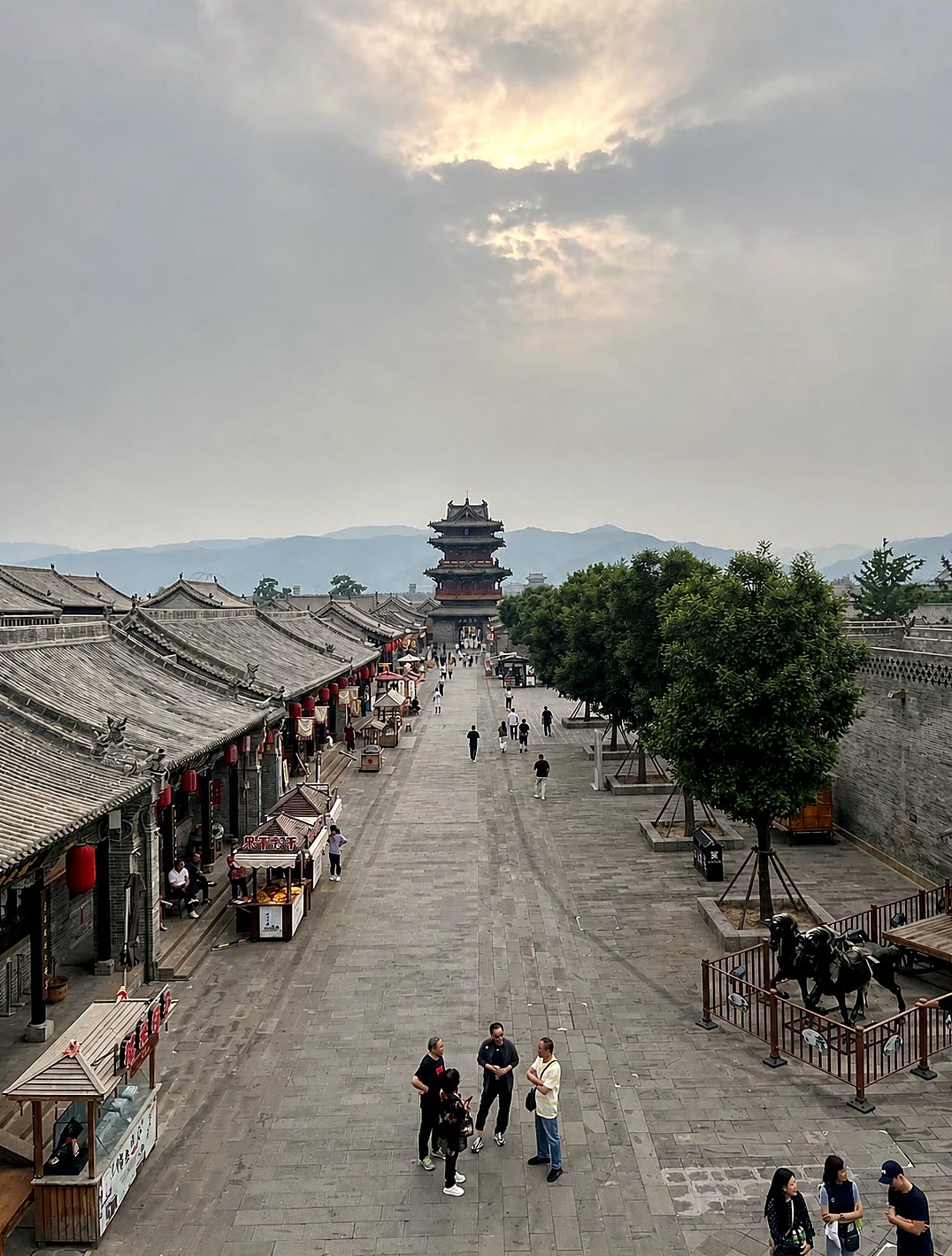
Built form · La Jolla, Shanxi

How places hold a line.

Concrete, timber, water, and streets. These frames stayed because the structure of the place was already doing most of the composition.

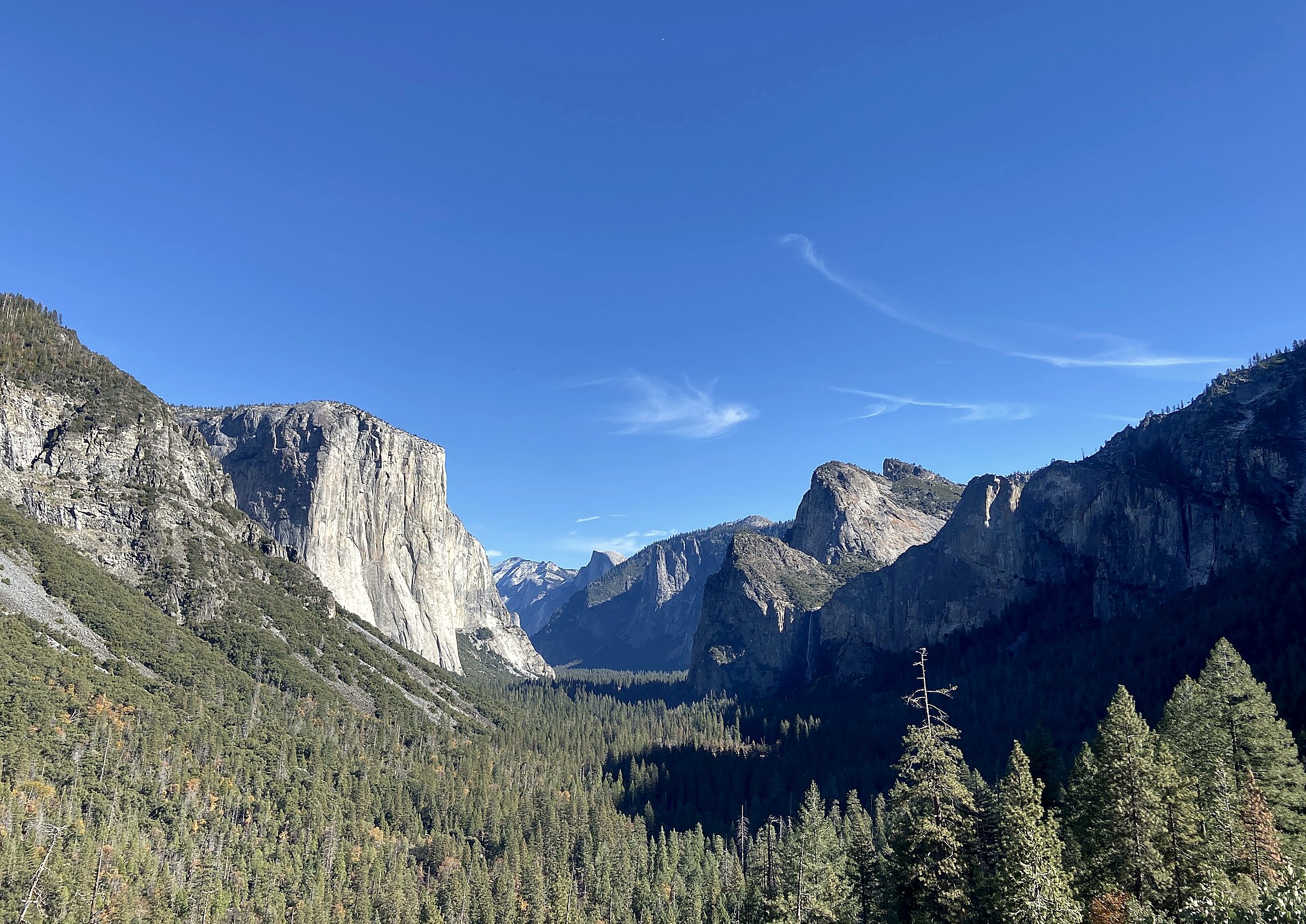
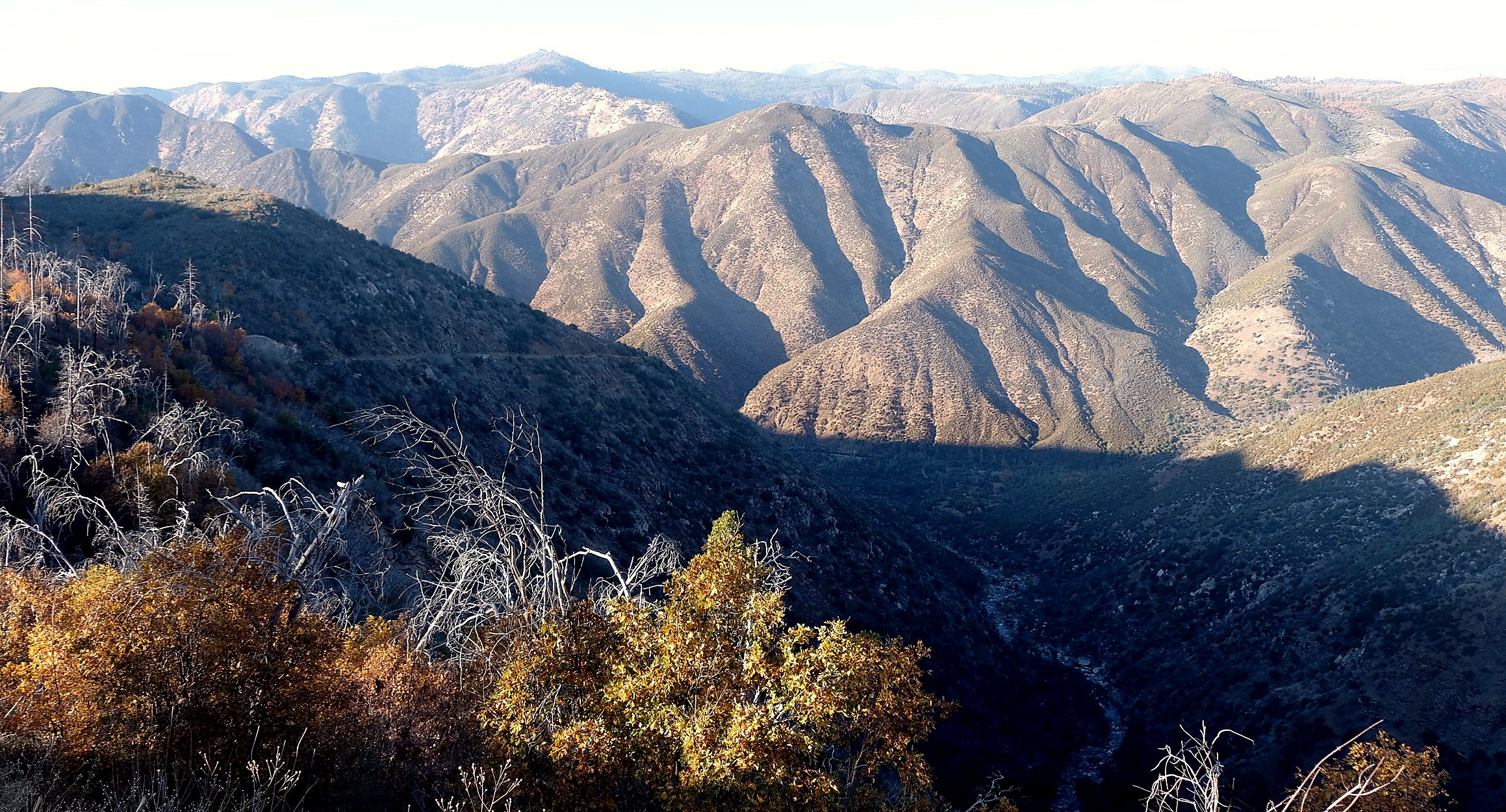
Land & light · Yosemite, California

Distance changes the frame.

Wide views made for slower photographs: looking for where the ridge, shadow, or open sky begins to organize itself.

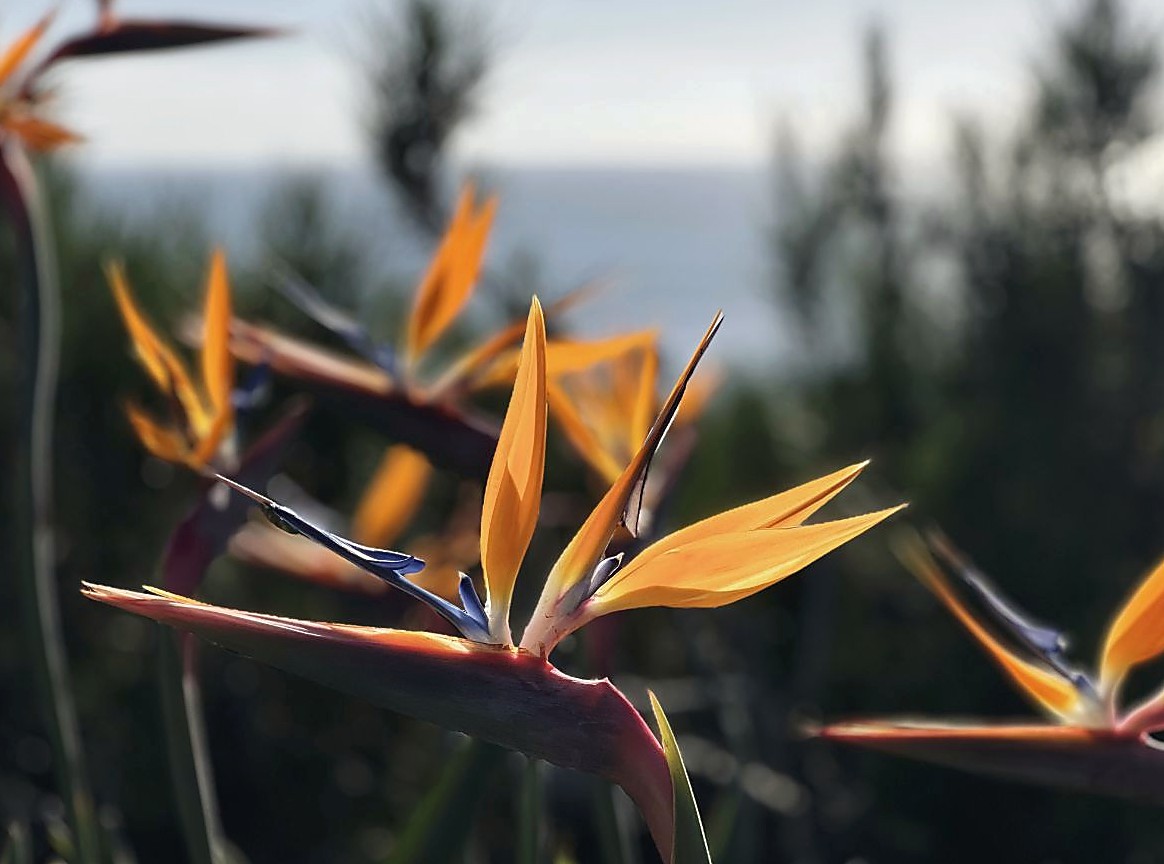
Close observations · California

Color, pattern, and texture.

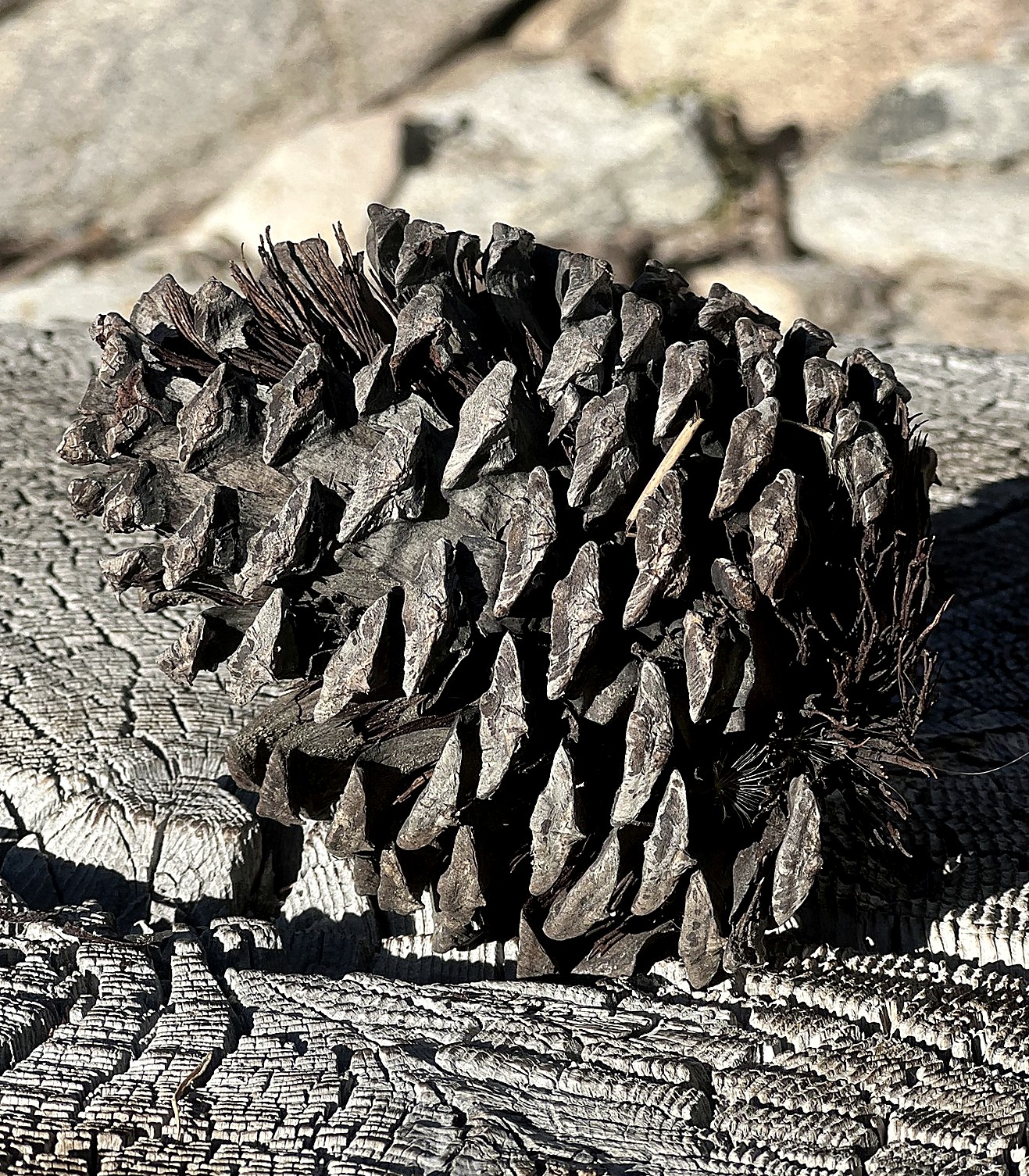
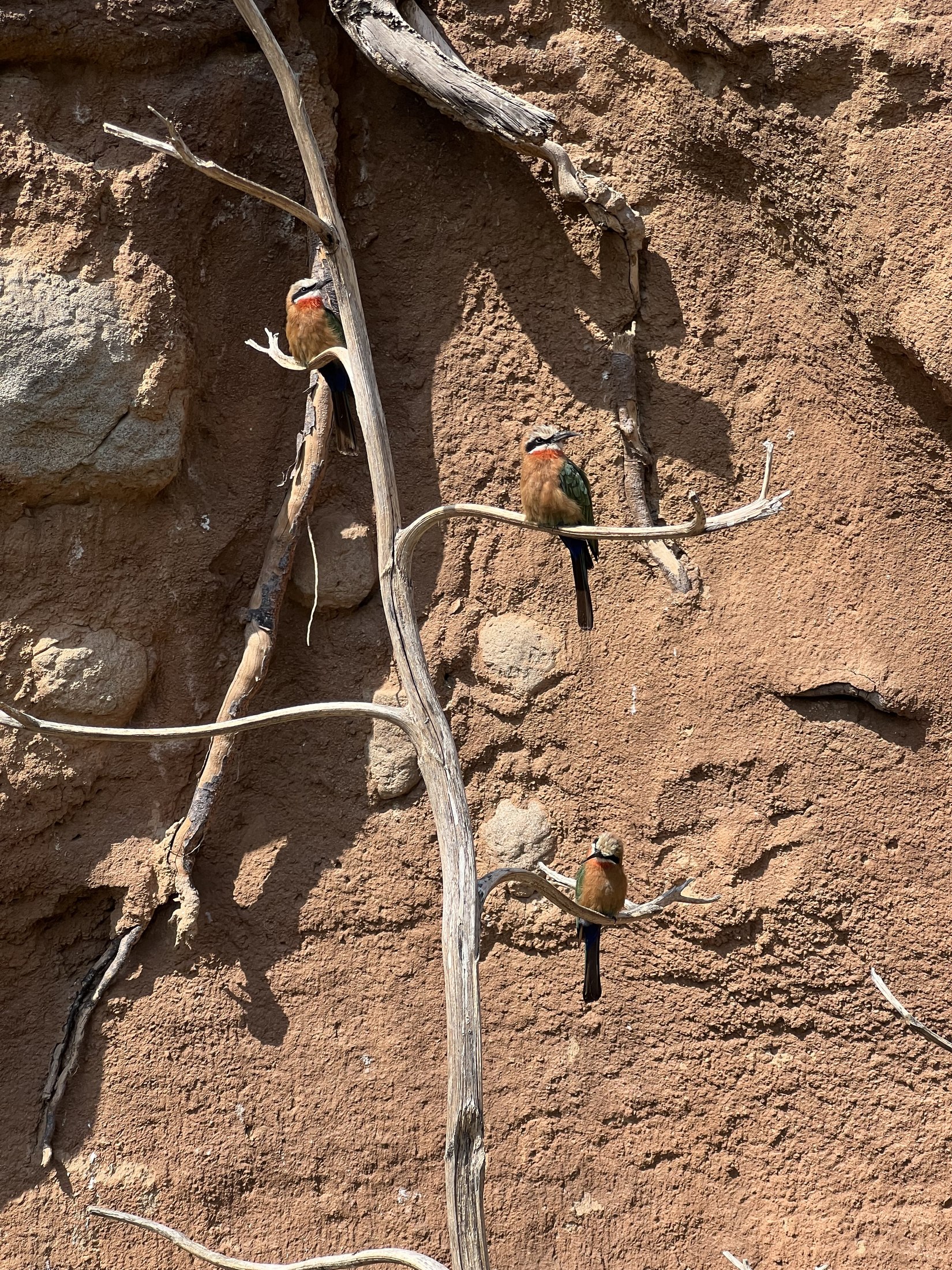
Closer frames, where a flower, a weathered seed pattern, or three small birds are enough to carry the image.